

Running a successful vending operation is about more than simply keeping machines full. The most profitable vending businesses understand what customers want, when they want it, and how much stock each location actually needs.
For businesses operating snack, drinks, coffee, and smart vending machines, improving turnover while reducing product wastage can have a significant impact on profitability. The good news is that modern vending technology makes it easier to monitor sales, understand customer behaviour, optimise stock levels, and make better purchasing decisions.
In this guide, we explore some of the most effective ways to increase vending machine sales, improve stock rotation, reduce waste, and create a better customer experience.
1. Understand What Your Customers Actually Buy
One of the biggest causes of vending waste is stocking products based on assumptions rather than actual demand.
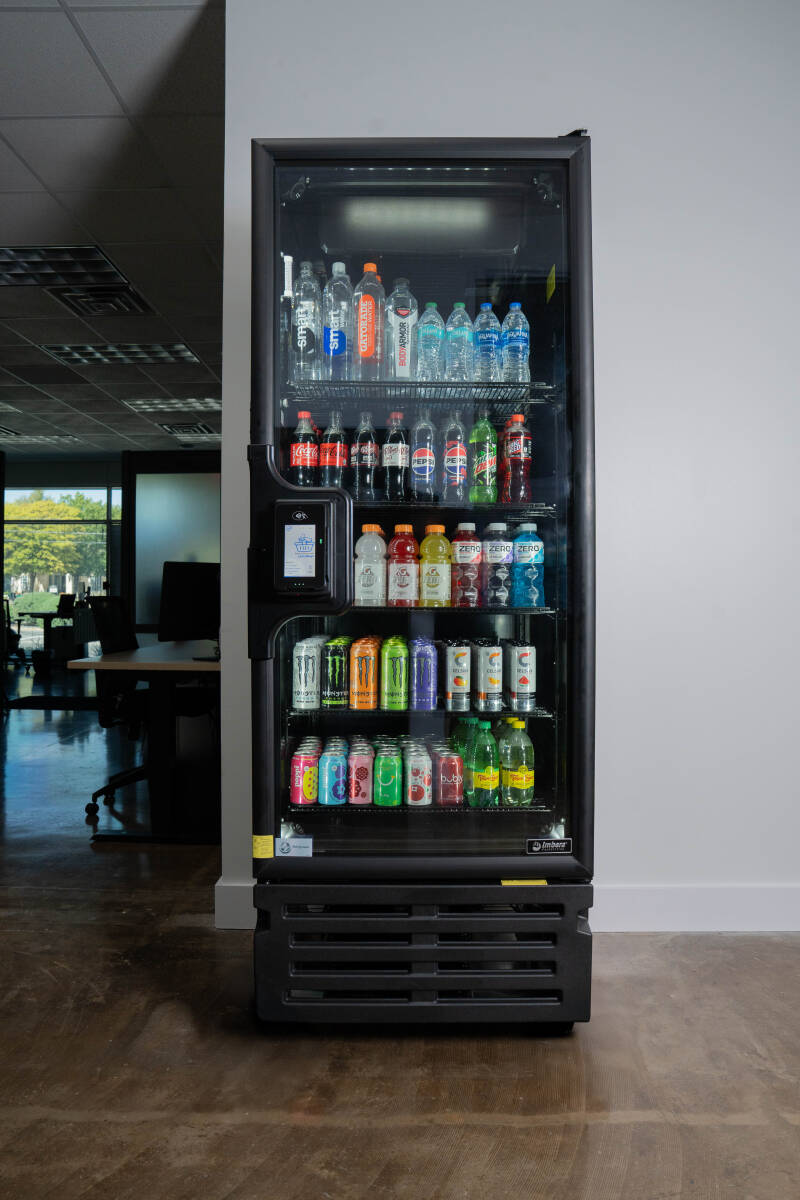
Every location is different. An office may have strong demand for premium coffee, healthier snacks, and bottled water, while a warehouse might see higher sales of energy drinks, soft drinks, savoury snacks, and convenient meal options.
Instead of treating every vending machine the same, use sales information to understand:
- Which products sell fastest
- Which products regularly remain unsold
- Which days and times generate the highest sales
- Which product categories perform best
- Which products have seasonal demand
- Which items frequently reach their expiry date
This information allows operators to build a location-specific product range rather than relying on a one-size-fits-all selection.


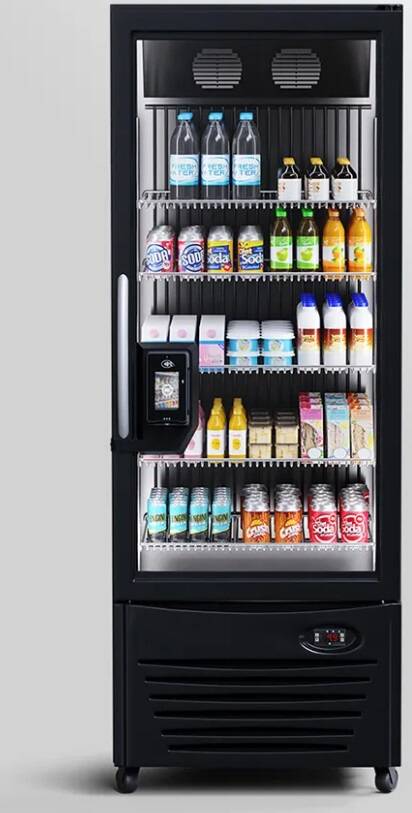
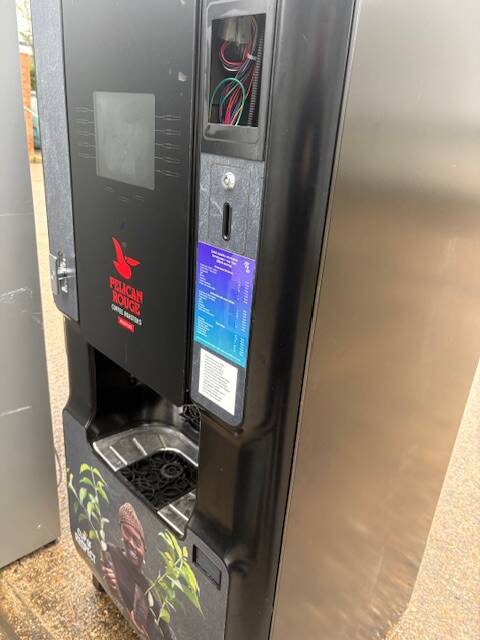
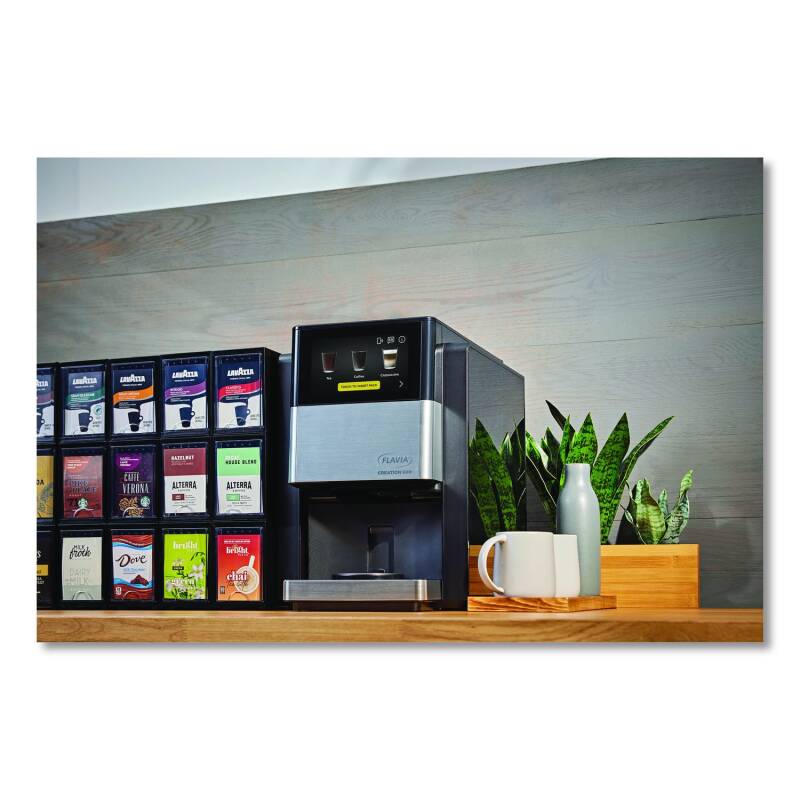
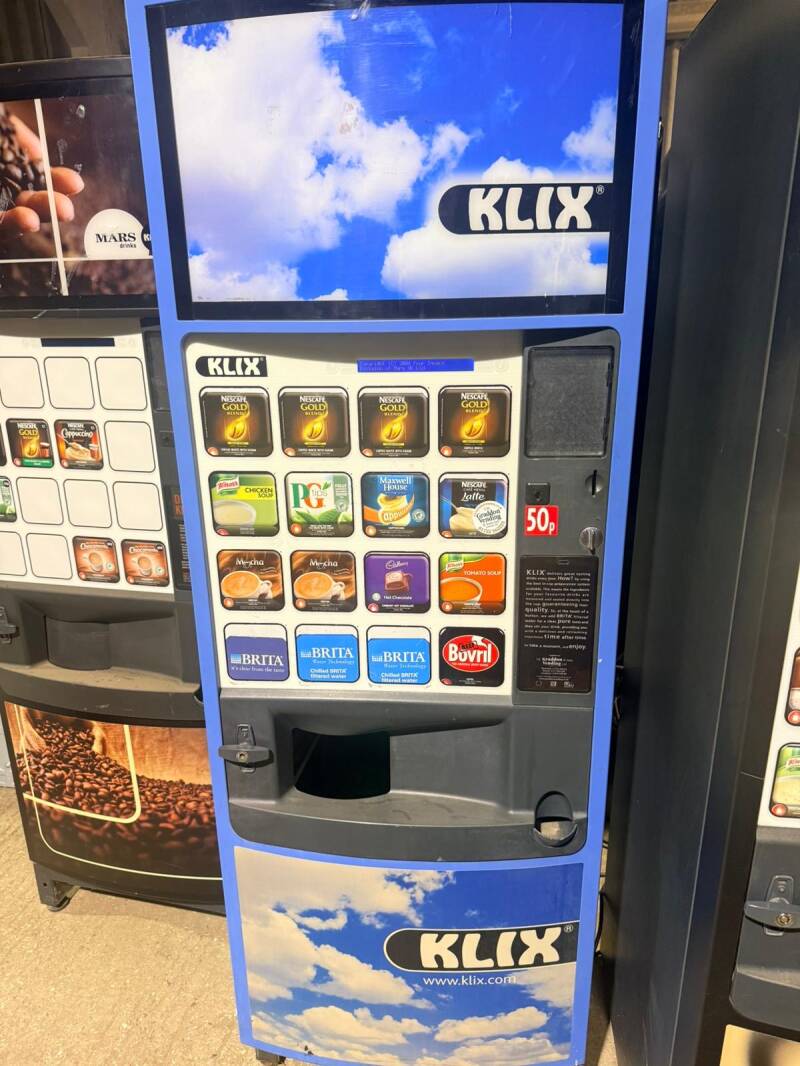

2. Use Sales Data to Improve Stock Management
Modern vending machines can provide valuable sales information that helps operators make more informed decisions.
By regularly reviewing sales data, you can identify your best-performing products and adjust stock levels accordingly.
For example, if one product consistently sells out before the next scheduled visit, increasing its stock level could prevent lost sales. Conversely, if another product regularly remains in the machine, reducing the quantity ordered can help minimise wastage.
This simple approach can help create a better balance between product availability and stock efficiency.
The goal isn't necessarily to have every machine completely full. The goal is to have the right products available in the right quantities.
3. Reduce Overstocking
Overstocking can look like good customer service, but it can quickly become expensive.
Too much stock can lead to:
- Expired products
- Reduced product quality
- Capital tied up in inventory
- Increased waste
- More frequent stock rotation
- Lower overall margins
A smarter approach is to monitor sales velocity and establish appropriate minimum and maximum stock levels for each product.
Fast-moving products can be replenished more frequently, while slower-moving products should be ordered in smaller quantities.
This creates a more efficient vending operation while still maintaining a good customer experience.
4. Focus on Product Rotation
Good stock rotation is essential for reducing vending waste.
Products with shorter shelf lives should be monitored particularly closely. Stock should be rotated so that older products are sold before newer deliveries whenever possible.
A simple first-in, first-out (FIFO) approach can make a noticeable difference.
During servicing, operators should check product dates and move older stock toward the front of the machine while placing newer products behind it.
This helps ensure products have the best possible opportunity to sell before reaching their expiry date.
5. Give Best-Sellers More Space
If a product consistently sells well, it deserves more visibility and potentially more space within the machine.
Consider giving high-performing products:
- More facings
- Prime eye-level positions
- Larger stock capacity
- Stronger visual positioning
A vending machine has limited space, so every product position needs to work hard.
Replacing slow-moving products with proven best-sellers can improve sales per machine and sales per product position.
6. Review Slow-Moving Products Regularly
Not every product will work at every location.
If an item has consistently low sales, keeping it in the machine simply because it has always been there can contribute to unnecessary wastage.
Create a regular product review process. Products that underperform should be considered for replacement with alternatives that better match local demand.
You could test:
- Different flavours
- Different pack sizes
- Healthier alternatives
- Premium products
- Lower-priced options
- Seasonal products
- Popular local brands
Small changes to the product mix can have a significant impact on turnover over time.
7. Use Cashless and Contactless Payments
Modern customers increasingly expect quick and convenient payment options.
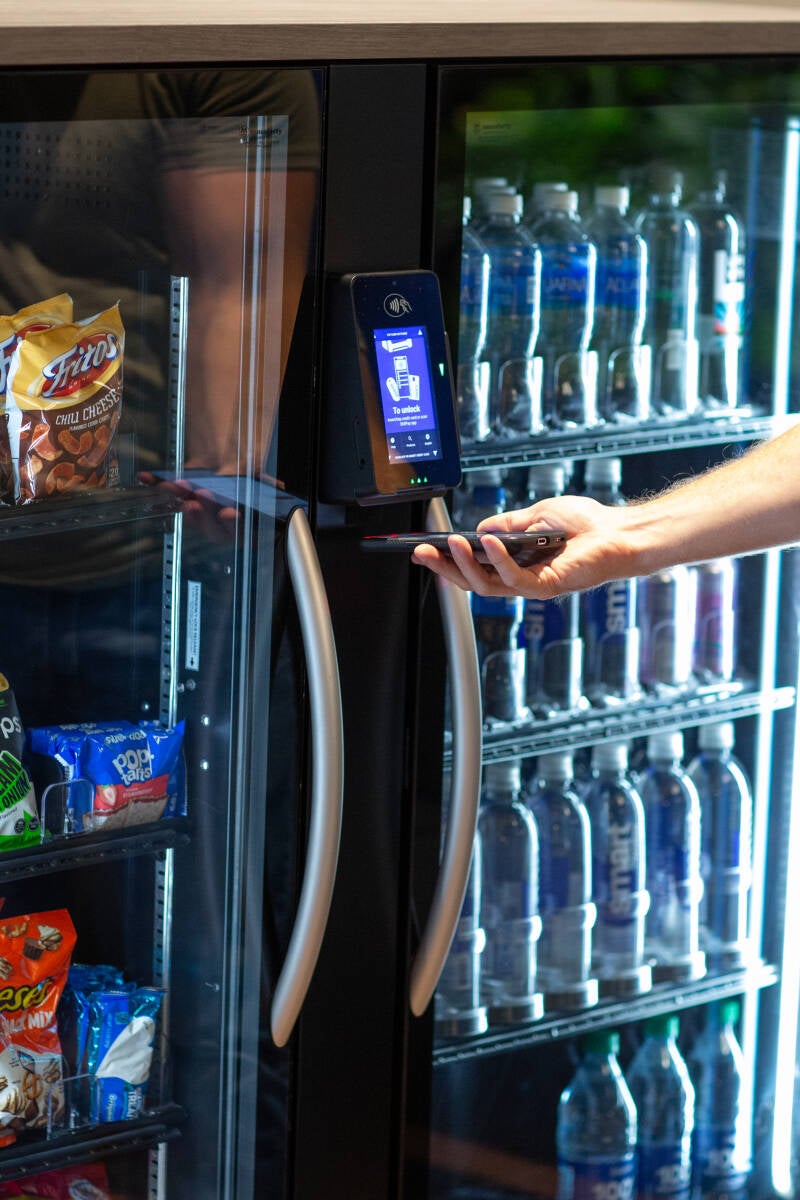
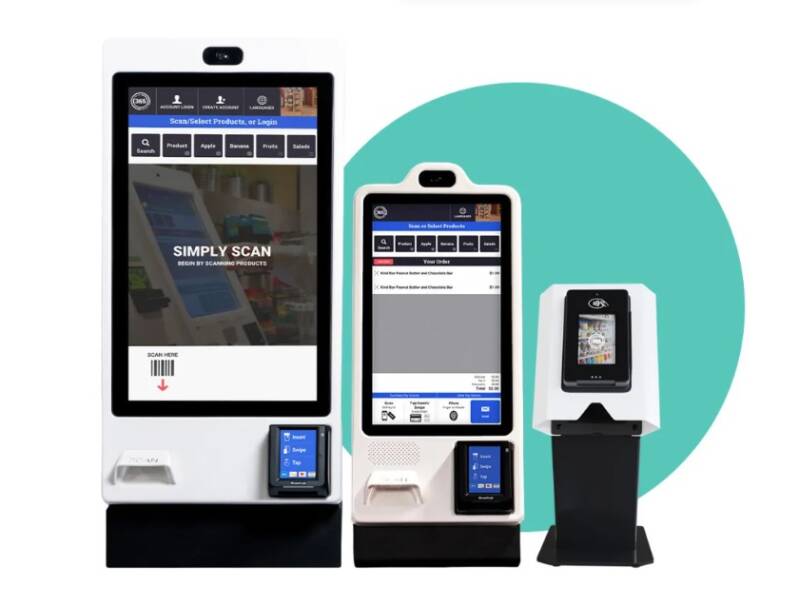
Cashless and contactless payment technology can make vending significantly easier to use, reducing friction at the point of purchase.
When customers can simply tap a card, phone, or other supported payment method, the purchasing process becomes faster and more convenient.
For operators, cashless vending can also provide valuable transaction information that can help with understanding customer behaviour and improving machine performance.
8. Make the Customer Experience Simple
A vending machine can have excellent products and still underperform if it is difficult to use.
Customers want a straightforward experience:
Choose → Pay → Collect.
Clear product displays, simple instructions, reliable payment systems, good lighting, and a clean machine can all contribute to a better customer experience.
Keeping machines clean and well-presented is particularly important. Customers are more likely to purchase from a machine that looks modern, maintained, and reliable.
9. Price Products Strategically
Pricing has a direct impact on turnover.
While increasing prices can improve the margin on individual products, pricing too aggressively can reduce demand. Similarly, prices that are too low may increase sales but fail to generate an appropriate return.
Review pricing based on:
- Product cost
- Location
- Customer expectations
- Competitor pricing
- Product popularity
- Sales volume
- Operating costs
The objective should be to find the right balance between price, volume, and margin.
10. Use Promotions to Move Slow Stock
Promotions can be an effective way to reduce potential wastage while increasing sales.
If certain products are approaching their best-before date, a targeted promotion can encourage customers to purchase them sooner.
Examples include:
- Multi-buy offers
- Product bundles
- Temporary discounts
- Meal combinations
- Promotional pricing
- Featured-product offers
For example, combining a drink with a snack at an attractive price can encourage customers to purchase more than one item while helping move slower stock.
11. Optimise Your Servicing Schedule
The ideal servicing schedule isn't necessarily the same for every machine.
A high-volume vending machine may require frequent replenishment, while a lower-volume location may need fewer visits.
Using sales data to determine servicing frequency can help reduce unnecessary travel, labour, and operating costs.
At the same time, machines should be serviced frequently enough to prevent popular products from selling out.
A data-driven servicing schedule can therefore help improve both availability and operational efficiency.
12. Consider Smart Vending Technology
Smart vending technology can bring together many of these strategies in one system.
Depending on the technology available, operators can use vending data to monitor sales, stock levels, transactions, and machine performance.
This can help operators move from reactive vending management to a more proactive approach.
Instead of discovering that a machine has sold out during a routine visit, sales and inventory information can help identify where attention is needed and which products require replenishment.
The result can be a more efficient operation with fewer unnecessary visits and better stock availability.
13. Think About the Location, Not Just the Machine
Location plays a major role in vending performance.
Before installing or changing a machine, consider:
- Number of potential customers
- Operating hours
- Customer demographics
- Nearby food and drink options
- Workplace shift patterns
- Seasonal changes
- Machine visibility
- Ease of access
A vending machine positioned in a high-traffic, convenient location is likely to perform better than an identical machine hidden away in an area with limited footfall.
Even moving an existing machine to a more visible or convenient position can sometimes improve sales.
14. Use Seasonal Demand to Your Advantage
Customer preferences change throughout the year.
During warmer months, cold drinks, water, and lighter snacks may perform particularly well. During colder periods, demand for hot drinks, coffee, and comfort snacks may increase.
Planning the product mix around seasonal demand can help improve turnover while reducing the risk of carrying unsuitable stock.
Seasonal products can also create variety and encourage repeat purchases.
15. Measure the Right Performance Indicators
To improve vending performance, you need to know what success looks like.
Important metrics can include:
- Sales per machine
- Sales per product
- Average transaction value
- Product sell-through rate
- Stock wastage
- Product expiry rates
- Gross margin
- Machine downtime
- Replenishment frequency
- Cashless transaction percentage
Reviewing these figures regularly can help identify opportunities that may not be obvious from sales totals alone.
For example, a machine with high sales may still have poor profitability if it experiences excessive wastage or requires unusually frequent servicing.
Turning Better Data into Better Vending
The most effective vending operations combine good products, smart technology, efficient stock management, and reliable servicing.
Reducing waste doesn't mean offering customers fewer choices. Instead, it means becoming smarter about which products you stock, how much you stock, and when you replenish them.
By analysing sales data, improving product rotation, using cashless technology, optimising machine layouts, and adapting your product range to each location, vending operators can create a service that is both more profitable and more sustainable.
Build a Smarter Vending Operation with Impulse Vending
At Impulse Vending, we understand that successful vending is about delivering the right products, technology, and service for each individual location.
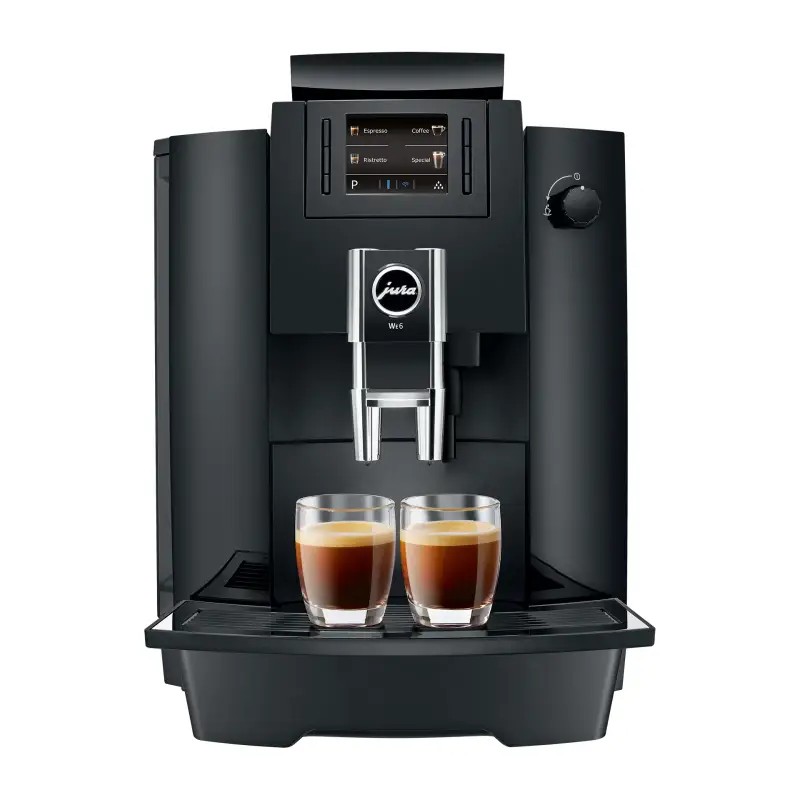
Our smart vending solutions, cashless technology, coffee machines, snack vending machines, drinks solutions, and fully managed vending services are designed to help modern workplaces and commercial environments improve convenience while operating more efficiently.
Whether you're looking to improve an existing vending operation or introduce vending to a new location, taking a smarter, data-led approach can help increase turnover, reduce unnecessary wastage, and deliver a better experience for customers, employees, and visitors.
Smart vending isn't simply about selling more. It's about making every machine, every product, and every customer interaction work more efficiently.
Add comment
Comments