

Starting a vending machine business can look simple: fill the machine, plug it in and wait for customers. But what you put inside and how you display it can make a huge difference.
Whether you're just starting out or looking to improve an existing machine, here's a practical guide to choosing products, organising your machine and making it look appealing.
1. Start With Your Location
Before buying lots of stock, think about who is actually going to use your machine.
A machine in a gym will have very different customers from one in an office, school, hotel, factory or leisure centre.
Ask yourself:
- Who uses this location?
- What time of day are they there?
- Are they looking for a quick snack, a drink or something more substantial?
- What products are already available nearby?
- What price are people likely to pay?
Your location should determine your stock — not simply what you personally like.
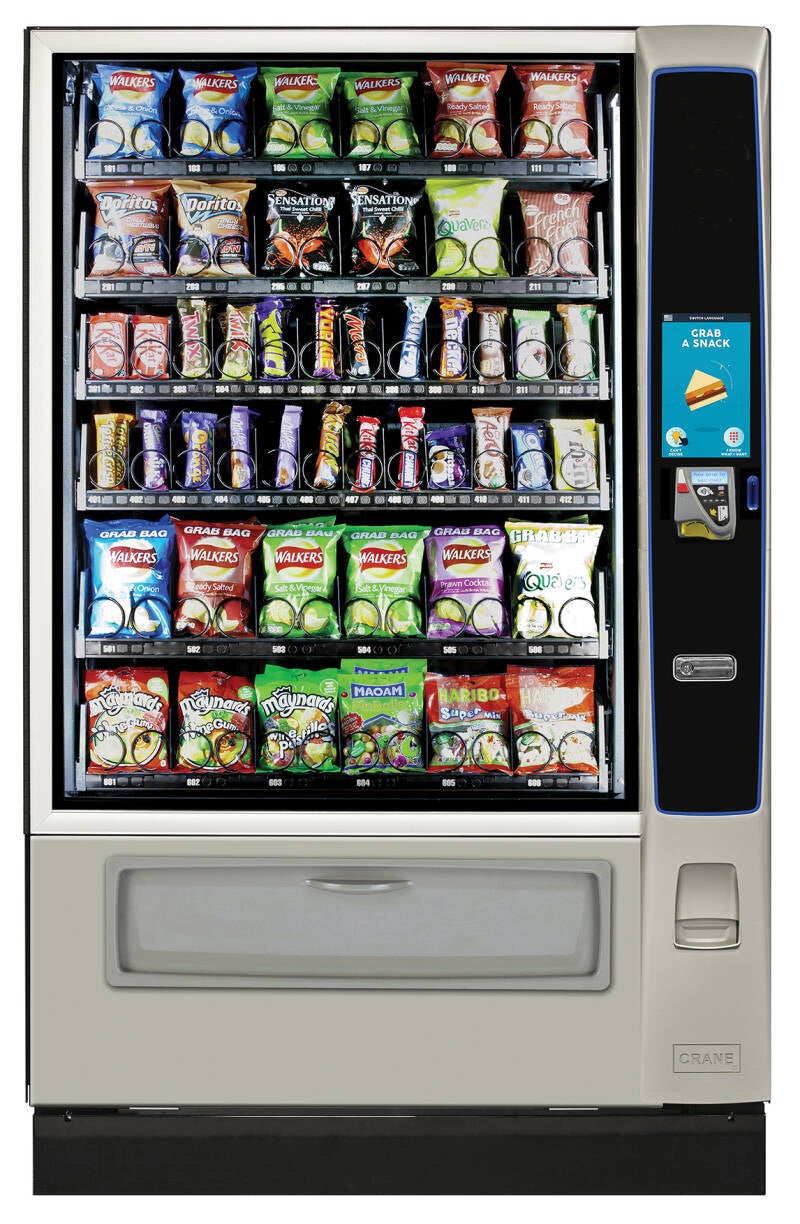
2. What Should You Put in a Vending Machine?
A good machine usually has a mixture of familiar favourites and a few products that give customers something different.
🍫 Chocolate & Sweet Treats
Popular choices can include:
- Chocolate bars
- Crisps
- Biscuits
- Cereal bars
- Sweets
- Popcorn
Don't fill every slot with the same type of product. Give customers variety.
🥤 Drinks
Depending on your machine and location, consider:
- Bottled water
- Fizzy drinks
- Flavoured water
- Energy drinks
- Sports drinks
- Juice
Drinks can be particularly important in workplaces, gyms and busy public locations.
🥜 Healthier Options
Adding healthier choices can help your machine appeal to a wider audience:
- Protein bars
- Nuts
- Dried fruit
- Low-sugar snacks
- Popcorn
- Fruit-based snacks
You don't necessarily need to make the whole machine "healthy". A mixture gives customers choice.
3. Don't Forget the Price
One of the biggest mistakes new vending operators make is choosing products without working out the numbers.
For every product, consider:
Cost of product + VAT/other costs + machine costs + payment fees + wastage = your real cost.
Then decide what selling price gives you a worthwhile margin.
For example, if something costs you £0.70 and you sell it for £1.50, your gross difference is £0.80 — but that isn't necessarily your final profit once all your other expenses are taken into account.
Keep track of:
- Purchase price
- Selling price
- Units sold
- Best-selling products
- Products that don't sell
- Expired/wasted stock
Your vending machine should eventually tell you what your customers want.
4. How to Present Your Vending Machine
This is where you can really make a difference.
A vending machine should look full, clean and easy to shop.
Keep Products Facing Forward
Make labels and packaging visible.
Instead of having products lying sideways or randomly positioned, face them towards the customer.
This makes the machine look more professional and makes the buying decision easier.
Group Similar Products Together
For example:
Top row: healthier snacks
Middle rows: crisps, chocolate and popular snacks
Bottom row: larger/heavier products
Or organise by category:
🍫 Chocolate
🥔 Crisps
🥜 Healthier snacks
🥤 Drinks
The exact layout depends on your machine and location.
Don't Leave Big Empty Spaces
A machine that looks half empty can make customers wonder whether it's being maintained.
Keep it topped up, but don't overstock products that aren't selling.
5. Make Your Best Sellers Easy to See
Your most popular products deserve the best positions.
If customers repeatedly buy a particular drink or snack, consider giving it more facings.
For example, instead of:
One of everything
you might discover that:
3 slots of Product A
2 slots of Product B
1 slot of Product C
generates much better sales.
Your sales data should decide your layout.
6. Keep Your Machine Looking Spotless
This sounds obvious, but it's incredibly important.
When you visit your machine:
✅ Clean the glass
✅ Wipe down the outside
✅ Check the product spirals
✅ Remove damaged packaging
✅ Check expiry dates
✅ Refill popular products
✅ Check the payment system
✅ Remove rubbish around the machine
Customers are far more likely to trust a machine that looks properly looked after.
7. Watch What Sells — and What Doesn't
Don't keep buying a product simply because you think it should sell.
Try it, measure it and make a decision.
Create a simple spreadsheet with columns such as:
After a few weeks, you'll start seeing patterns.
The goal isn't to have the most products. It's to have the right products.
8. Get Inspiration From Other Vending Operators
If you're looking for real-world ideas about stocking, organising and running vending machines, check out That Vending Mumma on TikTok.
That Vending Mumma on TikTok
You can use her content for inspiration around what to stock, how to arrange your machine and how to approach the vending business.
9. The Golden Rule: Test, Track & Change
There isn't one perfect vending-machine menu.
What sells brilliantly in one location might sit untouched in another.
Start with a sensible range, monitor your sales and gradually adjust your machine.
Stock what people actually buy — not what you hope they'll buy.
And remember: a successful vending machine isn't just about having great products. It's about location + pricing + presentation + availability + consistency.
Quick Vending Machine Checklist
Before leaving your machine, ask:
☐ Does it look full?
☐ Are the products facing forward?
☐ Are the best sellers stocked?
☐ Are prices clearly visible?
☐ Is the machine clean?
☐ Are products within date?
☐ Is the payment system working?
☐ Have I recorded what needs restocking?
☐ Am I removing products that aren't selling?
Get those basics right consistently and you're already giving your vending machine a much better chance of performing well.
Add comment
Comments